The Welsh-Patagonia Connection: A British Legacy in Argentina
Why British expats should know about Welsh Patagonia — the only lasting British colony in South America, still thriving after 160 years.
 Thomas SinclairWriter and editor · London
Most British people moving to Argentina have never heard of Welsh Patagonia. That's a shame, because it's one of the most remarkable British stories in the world — a colony that survived when so many others failed, where the Welsh language is still spoken 160 years later, and where British visitors are welcomed not as tourists but as something closer to family.
The History
In 1865, 153 Welsh settlers arrived in the Chubut Valley, Patagonia, aboard the Mimosa. They had left Wales seeking land, language preservation, and religious freedom. The Argentine government granted them land on the condition that they become Argentine citizens and acknowledge Argentine sovereignty.
The early years were brutal. Drought, floods, and failed crops nearly ended the colony. But the settlers persisted, digging irrigation channels (the famous Welsh canals, or canales), establishing cooperative farming, and building the towns of Rawson, Gaiman, and Trelew.
By the early 20th century, the colony was thriving. Welsh-language schools, chapels, and cultural institutions were established. The settlers integrated with Argentine society while maintaining their Welsh identity — a balance they have kept for over a century.
Welsh Patagonia Today
Today, around 5,000–7,000 people in Chubut province speak Welsh, and the number is growing thanks to bilingual education programs. There are Welsh-medium schools, Welsh-language radio programs, and a vibrant Welsh cultural scene.
The Eisteddfod del Chubut — Held every October in Trelew, this is one of the largest Welsh cultural festivals outside Wales. It features poetry, music, dance, and the crowning of the bard. Welsh visitors often say it feels more traditionally Welsh than modern Wales.
Tea houses (casas de té) — Gaiman is famous for its Welsh tea houses, where you can eat bara brith, Welsh cakes, and scones with cream, served by descendants of the original settlers. The most famous is Ty Te Caerdydd, run by the great-great-granddaughter of a Mimosa passenger.
Bilingual schools — The Ysgol yr Hendre school in Trelew and several others teach in Welsh and Spanish. There are active exchange programs with schools in Wales, funded by the Welsh Assembly and British Council.
Visiting Welsh Patagonia
How to get there: Fly from Buenos Aires to Trelew (1.5 hours) or drive (around 18 hours, not recommended unless you have time). Puerto Madryn, on the coast, is the gateway for wildlife tourism — southern right whales, penguins, and elephant seals.
Where to stay: Gaiman has small guesthouses and B&Bs run by Welsh families. Puerto Madryn has larger hotels and is the base for Península Valdés wildlife tours.
What to do:
- Visit the Museo Regional Pueblo de Luis in Trelew for the full settlement story
- Tour the Welsh chapels (capillas galesas) in the Chubut Valley
- Have tea at a casa de té in Gaiman
- Attend an Eisteddfod event if your timing aligns
- Visit Península Valdés for whales (June–December) and penguins (September–March)
For British Expats Living in Argentina
Welsh Patagonia is worth visiting not just as a tourist curiosity but as a reminder that British people have been making lives in Argentina for 160 years. The Welsh-Argentine community has navigated the same bureaucratic challenges, the same economic volatility, and the same cultural adjustments that modern British expats face.
There are also practical connections. The British Council runs programs linking Welsh and Patagonian schools. The Wales-Arts International programme funds artistic exchanges. If you have Welsh heritage, the genealogical records in Trelew and Gaiman are remarkably complete — many British expats have discovered family connections they never knew existed.
Worth reading next
Frequently Asked Questions
Do people in Welsh Patagonia still speak Welsh?
Yes — around 5,000–7,000 people in Chubut province speak Welsh, and the number is growing thanks to bilingual education programs. There are Welsh-medium schools, Welsh-language radio, and an annual Eisteddfod festival.
Can I visit Welsh Patagonia as a tourist?
Absolutely. The towns of Gaiman, Trelew, and Puerto Madryn welcome visitors. Welsh tea houses in Gaiman are particularly popular. The Eisteddfod del Chubut in October is the best time to experience Welsh culture at its most vibrant.
Are there connections between Wales and Patagonia today?
Yes — strong and active. The Welsh government funds bilingual education programs, school exchanges, and cultural initiatives. The British Council runs arts and education exchanges. Many Welsh families have relatives in Patagonia, and vice versa.
Sources & Official Links
When the answer depends on your case
The guides on this site cover the general shape of Argentine immigration. For case-specific advice, including complex visa categories, residency or citizenship questions, cross-border tax obligations, time-sensitive filings, or family situations, a qualified lawyer can review your actual paperwork.
Lucero Legal can review your paperwork and explain the options for your case. Ask about the adviser responsible, scope, and fees before you proceed.
Talk to Lucero LegalAlso from Lucero Legal
Related Guides
 Daily Life
LGBTQ+ British Expats in Argentina: Rights, Community, and Everyday Life
Argentina has some of the most progressive LGBTQ+ legislation in the world. For British expats, it's often a genuinely more welcoming environment than the UK.
Read guide → Daily Life
Food and Culture Shock: What Surprises British Expats in Argentina
You'll feel comfortable surprisingly quickly — and then something small will remind you that you're very far from home.
Read guide →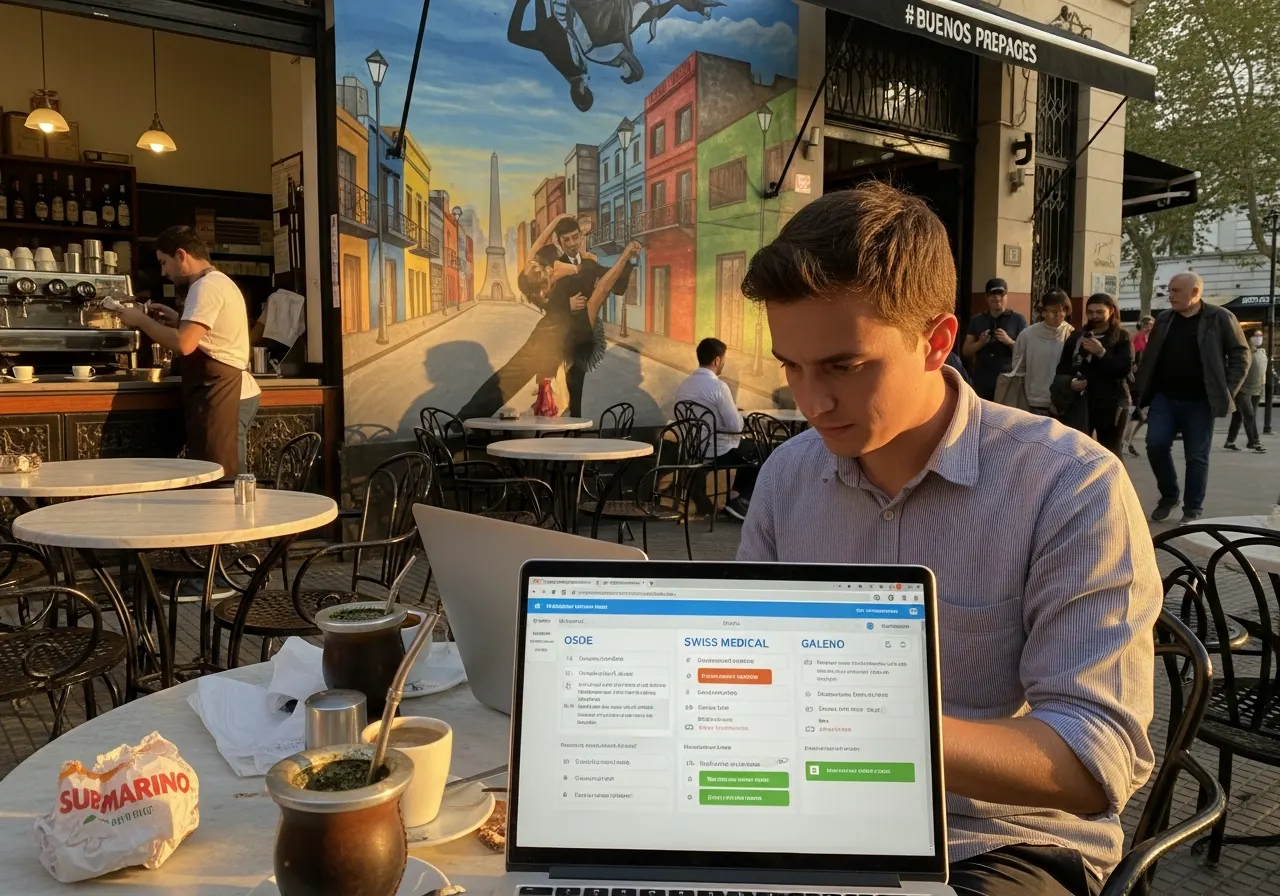 Daily Life
Argentina Private Health Insurance: OSDE vs Swiss Medical vs Galeno
Private health is the UK expat's first major recurring expense in Argentina. The three big prepagas look similar but differ sharply in hospital access and tier pricing.
Read guide →