Moving to Argentina with Pets: The Complete UK Guide
Bringing your dog or cat from the UK to Argentina is achievable but requires 2-3 months of preparation. Here's the veterinary paperwork, airline rules, and what to expect at Argentine customs.
 Thomas SinclairWriter and editor · London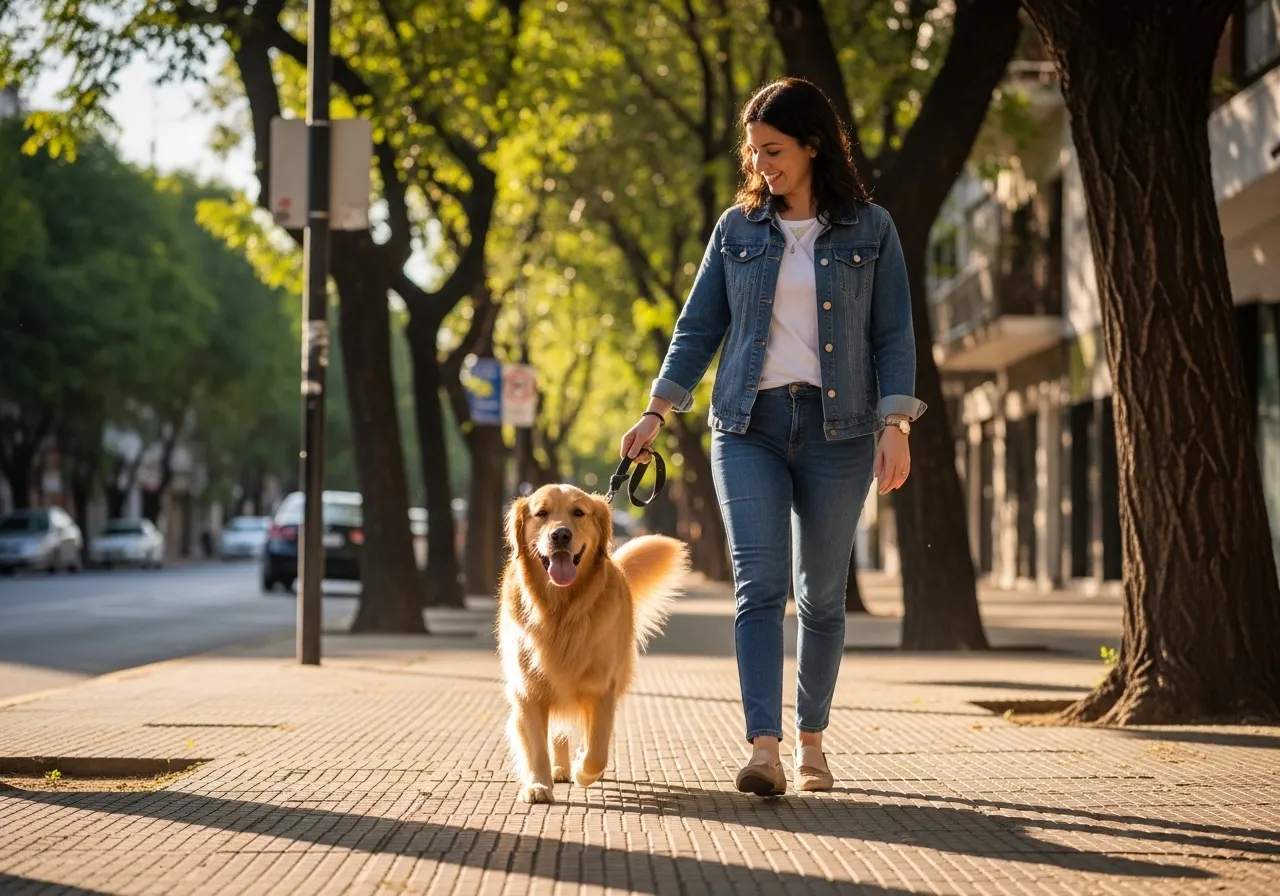
The SENASA import permit takes longer to process than most people's residency application. Start early.
Moving pets from the UK to Argentina is a well-trodden path — there's no quarantine requirement for dogs and cats arriving from the UK provided the paperwork is complete. But "provided the paperwork is complete" is doing heavy lifting in that sentence. The process involves your UK vet, the Animal and Plant Health Agency (APHA), your airline, and SENASA (Argentina's agricultural and food safety authority). Start at least 3 months before your travel date.
Timeline: Working Backwards from Your Flight
For related context, see Moving Pets from the UK to Argentina: APHA, Vets, Airlines and Quarantine Reality.
3 months before departure:
- Ensure your pet's rabies vaccination is current. If your pet has never been vaccinated for rabies (uncommon for UK dogs but possible), the first vaccination must be at least 30 days old before travel
- If your pet's microchip isn't ISO 11784/11785 compliant, get a compliant one implanted (most UK chips already are)
- Book your flight and confirm the airline's pet policy — rules vary significantly
6-8 weeks before departure:
- Apply for the SENASA import permit through their online portal (SIGSA system)
- This requires: proof of rabies vaccination, microchip number, pet's health details, and your travel itinerary
- Processing time: typically 2-4 weeks, but allow longer for safety
10 days before departure:
- Visit your vet for the pre-export health examination
- The vet completes a health certificate confirming your pet is healthy, vaccinated, and free from parasites
- Internal and external parasite treatment must be administered within this window
5-7 days before departure:
- Submit the health certificate to APHA for endorsement — this is the UK government stamp that makes the certificate valid for international travel
- APHA endorsement can be done by post or in person at specific offices (the Carlisle office handles most of these)
- Cost: approximately £121 for the APHA export health certificate
Day of travel:
- Carry all original documents: APHA-endorsed health certificate, SENASA import permit, rabies vaccination certificate, microchip registration
- Arrive extra early at the airport — pet check-in takes longer than human check-in
- Your pet should not be sedated for the flight (most airlines prohibit this and vets advise against it)
SENASA Import Permit — The Critical Document
SENASA (Servicio Nacional de Sanidad y Calidad Agroalimentaria) is Argentina's equivalent of DEFRA. They control all animal imports. Without a valid SENASA import permit, your pet will be held at the airport or refused entry.
How to apply:
- Register on the SIGSA platform (sigsa.senasa.gob.ar)
- Complete the import application, listing: species, breed, age, microchip number, vaccination history, your Argentine address
- Upload supporting documents (vaccination records, microchip certificate)
- Pay the application fee (nominal — a few hundred pesos)
- Wait for approval (usually 2-4 weeks)
Common reasons for rejection or delay:
- Rabies vaccination dates don't match (too recent or expired)
- Microchip number discrepancies between documents
- Missing parasite treatment certification
- Incomplete Argentine address information
Airlines and In-Cabin vs Cargo
In-cabin (most airlines, pets under 8-10kg including carrier):
- British Airways: Pets in cabin on BA-operated flights to Buenos Aires (check current policy — it changes)
- Iberia: Allows pets in cabin; convenient if routing through Madrid
- KLM/Air France: Pets in cabin; routing through Amsterdam or Paris
- The carrier must fit under the seat in front of you (approximately 45cm x 35cm x 20cm)
- Cost: £50–200 depending on airline and route
Cargo hold (larger pets, 10kg+):
- Most airlines operate pressurised, temperature-controlled cargo holds specifically for live animals
- Your pet travels in an IATA-approved crate (hard-sided, specific size requirements per weight)
- Cost: £200–1,000+ depending on animal size and route
- Some airlines offer a dedicated pet transport service rather than general cargo
IATA crate requirements:
- Large enough for the pet to stand, turn around, and lie down comfortably
- Hard-sided with secure latches
- Water dish attached inside (non-spill type)
- "Live Animal" stickers on all sides
- Absorbent bedding on the floor
- No wheels (or wheels must be removed/disabled)
Direct vs connecting flights:
Direct London–Buenos Aires flights (British Airways, seasonally) are best for pets. no transit handling, shorter total journey. If you route through Madrid, Amsterdam. Or São Paulo, the transit adds stress and logistical complexity. Some connections require your pet to clear transit customs, which adds time and paperwork.
Arriving in Argentina
At Ezeiza International Airport (or Aeroparque for domestic flights from connecting cities):
- SENASA officials inspect your paperwork at a dedicated animal import desk
- They may briefly examine your pet (general health check, not invasive)
- If all documents are in order, clearance is typically quick — 30-60 minutes
- If documents are missing or incorrect, your pet may be held for additional inspection or quarantine
Quarantine is NOT normally required for dogs and cats arriving from the UK with complete documentation. Argentina does not consider the UK a high-risk rabies country.
Veterinary Care in Argentina
Once you're settled, Argentine veterinary care is good and affordable:
- Standard vet consultation: £8–20
- Vaccinations: £5–15
- Spay/neuter surgery: £30–80
- Emergency vet visit: £20–50+
Veterinarians are plentiful in Buenos Aires. most neighbourhoods have multiple clinics within walking distance. Pet culture in Argentina is strong; Buenos Aires is one of the most dog-friendly cities in the world. Dogs are welcome in most outdoor café areas, parks have dedicated dog runs, and professional dog walkers (paseadores) are a common sight walking 10-15 dogs at once.
Buenos Aires Pet Practicalities
Dog walking: If you work full-time, hiring a paseador (dog walker) is standard practice. Cost: ARS 15,000–30,000/month (£10–20) for daily walks. They collect your dog, walk them in a group with other dogs, and return them. This is a genuine industry. not informal.
Pet-friendly housing: Most Buenos Aires apartments allow pets, but confirm with the landlord before signing. Some older buildings have restrictions. Houses in outer neighbourhoods and suburbs are naturally more pet-friendly.
Dog-friendly spaces: Buenos Aires has numerous dog parks and plazas. Parque Las Heras, Parque Centenario, and the ecological reserve (Costanera Sur) are popular. Dogs can be off-leash in designated areas.
Pet food: International brands (Royal Canin, Pro Plan, Hills) are available but expensive — roughly double UK prices. Argentine pet food brands (Excellent, Vital Can) are cheaper and decent quality.
Worth reading next
Frequently Asked Questions
Is there quarantine for pets arriving in Argentina from the UK?
No — there is no quarantine requirement for dogs and cats arriving from the UK, provided all documentation is complete: APHA-endorsed health certificate, SENASA import permit, current rabies vaccination, and microchip. If paperwork is incomplete, your pet may be held at the airport for additional inspection.
How much does it cost to move a pet from the UK to Argentina?
Budget £500–1,500 total depending on your pet's size and airline choice. This includes: APHA export health certificate (£121), SENASA import permit (nominal fee), airline pet transport fee (£50–200 in cabin, £200–1,000+ in cargo), IATA-approved crate if needed (£80–300), and vet consultation and treatments (£50–100). Smaller pets travelling in-cabin on a direct flight are at the lower end.
Can I bring my dog in the airplane cabin to Argentina?
Yes, if your dog is under 8-10kg including the carrier. Airlines that allow in-cabin pets on UK-to-Buenos Aires routes include British Airways, Iberia, KLM, and Air France. The carrier must fit under the seat in front of you. Book the pet space well in advance — airlines limit the number of in-cabin pets per flight.
Sources & Official Links
- APHA — Exporting Pets from Great Britain— Official UK pet export requirements and health certificates
- SENASA — Animal Import Regulations— Argentine animal import permits and SIGSA portal
When the answer depends on your case
The guides on this site cover the general shape of Argentine immigration. For case-specific advice, including complex visa categories, residency or citizenship questions, cross-border tax obligations, time-sensitive filings, or family situations, a qualified lawyer can review your actual paperwork.
Lucero Legal can review your paperwork and explain the options for your case. Ask about the adviser responsible, scope, and fees before you proceed.
Talk to Lucero LegalAlso from Lucero Legal
Related Guides
 Visas & Moving
Moving to Argentina from the UK: A Practical Guide
The logistics of moving from the UK to Argentina are more manageable than most people expect — if you know what to sort in the right order.
Read guide → Visas & Moving
Apostilling UK Documents for Argentina: Costs, Timelines, and What to Watch Out For
An apostille is a standardised international authentication stamp. Argentina requires one on virtually every official UK document you submit.
Read guide → Visas & Moving
Importing Household Goods from the UK to Argentina
Duty relief may apply to a genuine household move, but the qualifying period, filing route and post-clearance restrictions depend on your immigration and returnee status.
Read guide →