Where to LiveUpdated 2026-09-27 · 13 min read
Where to live in Argentina outside Buenos Aires
Mendoza is the best all-round alternative for many British movers; Córdoba suits students and city workers, Bariloche outdoor households, Salta Spanish-speaking retirees, and Mar del Plata people who want the coast. Compare schools, healthcare, climate and year-round housing before choosing on rent alone.
In short
- Mendoza and Córdoba can cost roughly 20–30% less overall than Buenos Aires, although healthcare, imported goods and flights may erase part of the saving.
- Córdoba's university makes it a strong student choice, but DNU 366/2025 permits public universities to charge foreigners without residence.
- Bariloche's ski and summer seasons compete with permanent renters, and winter heating adds to the housing bill.
- British-curriculum schooling and regular specialist treatment may favour Buenos Aires over any city on this shortlist.
- A British visitor's 90-day entry, with one paid extension available, is distinct from residence for a long-term lease.
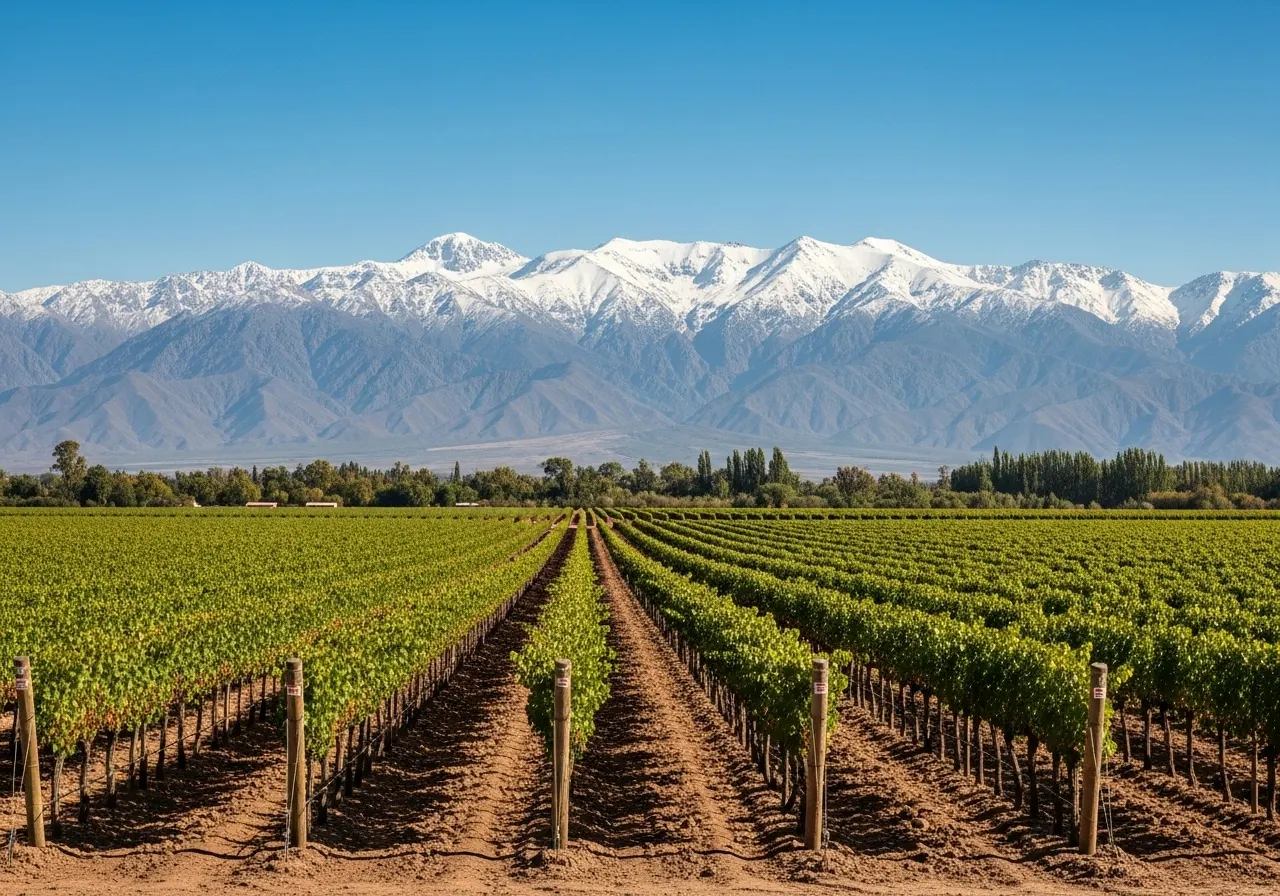
Mendoza is the strongest all-round starting point for many Britons seeking an Argentine home beyond Buenos Aires. It has a provincial capital's hospitals, airport and daily services within reach of the Andes. Córdoba offers a larger university and jobs setting; Bariloche gives outdoor life a larger role; Salta suits a household comfortable operating in Spanish; Mar del Plata keeps the Atlantic and the capital within closer reach. Mendoza and Córdoba may cost roughly 20–30% less overall than Buenos Aires in September 2026, but a school place or regular specialist appointment can change the calculation.
What the rents leave out
These are indicative monthly planning ranges, not offers for a particular property. Furnishing, parking, tourist seasons and the quality of heating or cooling can alter the cost substantially. Peso equivalents use approximately ARS 1,545 per US$, the September 2026 official reference; foreign cards normally convert close to that rate. Individual currency controls were lifted in April 2025, so an old blue-dollar premium is a poor basis for a household budget.
| City and likely fit | First areas to search | Ordinary long-let housing target, monthly | Main trade-off |
|---|---|---|---|
| Mendoza: retiree or remote-working couple | Quinta Sección, Godoy Cruz; Chacras de Coria with a car | US$450–800 (ARS 695,000–1,236,000), one or two bedrooms | Water scarcity, summer heat, seismic construction |
| Córdoba: student or working-age city household | Nueva Córdoba, Güemes, Cerro de las Rosas | US$400–750 (ARS 618,000–1,159,000), depending on size and address | Hot summers, Spanish-language administration, school availability |
| Bariloche: outdoor household with flexible work | Centro, Melipal, Playa Bonita | US$500–1,000 (ARS 773,000–1,545,000); peak-season stock can cost more | Heating, seasonal leases, winter roads, distance to specialist care |
| Salta: Spanish-speaking couple drawn to the northwest | Centro, Tres Cerritos | US$350–650 (ARS 541,000–1,004,000) | Smaller English-speaking network and fewer specialists |
| Mar del Plata: coastal retiree or remote worker | La Perla, Playa Grande, Los Troncos | US$400–750 (ARS 618,000–1,159,000); summer can cost more | Atlantic winter and January–February rental churn |
For comparison, a central Buenos Aires one-bedroom was around US$750 and an out-of-centre one around US$545, with total single-person monthly spending roughly US$1,300–1,900 in September 2026. The 20–30% Mendoza and Córdoba saving is a broad comparison, strongest for housing and local purchases. Imported goods, domestic flights and private health insurance need their own quotes. The Argentina cost-of-living budget separates those costs.
Mendoza offers city life beside the Andes
Mendoza is a working provincial capital rather than a vineyard resort. Quinta Sección is near Parque General San Martín; adjoining Godoy Cruz offers established residential streets, shops and access to hospitals. Chacras de Coria in Luján de Cuyo offers more space, with a driving journey to schools, clinics and the airport. Maipú and the Valle de Uco are more rural choices, with different daily travel rather than simply lower city rents.
Hot, dry summers and managed irrigation shape the housing search. A household should know whether its water supply is reliable, how cooling works and whether the building was designed for a seismic area. A green garden on vineyard land does not establish agricultural water rights; title and irrigation entitlements require separate examination before buying. The Andes are close enough to influence weekends, but a house that depends on driving changes everyday access to the city.
Hospital Central and private providers including Hospital Español serve Mendoza. A private insurer's *cartilla*, or approved-provider directory, needs to include the clinic and specialist the household actually uses. Buenos Aires is roughly two hours away by air before transfers, check-in or disruption, so regular appointments there are a sizeable commitment. UK flights require a connection. For a portable-income couple without a British-curriculum school requirement, Mendoza offers a manageable urban base; a capital-based job or frequent UK trips may undo its price advantage. Mendoza versus Buenos Aires develops that choice.
Córdoba is a university city first
The Universidad Nacional de Córdoba, founded in 1613, anchors Nueva Córdoba's student life. Nearby Güemes offers another central search; Cerro de las Rosas is more residential and tends to involve buses, taxis or a car. The sierras are within reach for weekends, while a home in Villa General Belgrano or Los Reartes makes a different commute from a flat near campus. Córdoba has a larger urban work and services market than the smaller provincial choices here.
British students need to match their chosen faculty's admissions date, language of teaching and recognition of UK qualifications to their residence category. Most degree teaching is in Spanish. DNU 366/2025 allows public universities to charge foreigners without residence, and the university sets the applicable programme rules; a blanket promise of free tuition to visitors is unsafe. The academic year commonly begins in March, rather than the UK's September. A university email also does not confer student residence.
The centre can be manageable without a car, but the sierras are a road-journey decision. A bus to Buenos Aires occupies much of a day; a flight is quicker in the air but adds airport transfers. Córdoba's summers are hot and its winters cooler than some newcomers expect. Nueva Córdoba's student noise and street life are easiest to judge during term on a weekday. For a family, a confirmed school place and insurer network matter more than restaurant prices. Córdoba favours a university-linked job or older student, while Mendoza may suit retirement centred on a smaller-feeling city and mountains; neither is an English-language enclave.
Bariloche has two busy seasons and a costly winter
San Carlos de Bariloche stands on Lago Nahuel Huapi beside Parque Nacional Nahuel Huapi. Skiing at Cerro Catedral peaks in the Argentine winter, around June to September; hiking and lake holidays draw visitors from about December to March. Both seasons put pressure on long-term housing. A *contrato de vivienda permanente*, a permanent-home tenancy, gives a different proposition from a monthly tourist let that disappears during peak demand.
Centro offers the simplest car-free starting point. Melipal and Playa Bonita stretch along the lake road, so the practical distance to school, supermarket and clinic matters more than map distance. Previous heating bills, gas or electric supply, insulation and snow or ice clearance reveal the cost of a winter tenancy. Buenos Aires is about two hours away by air, with a further journey to Ezeiza for many international departures.
Hospital Zonal Ramón Carrillo is the public hospital and Sanatorio San Carlos a local private provider. A *prepaga*, or private medical plan, may list a clinic yet exclude the needed specialist or procedure; scans, referrals and urgent transfers are specific questions. Outside the city, a property's mobile signal and fibre connection also need checking at the address. A household needing ongoing complex treatment in the capital or British-curriculum schooling faces a harder choice than remote workers whose jobs and health needs allow distance.
Salta rewards a life conducted in Spanish
Salta sits at roughly 1,200 metres in north-west Argentina. Centro gives access to Plaza 9 de Julio and city services, while Tres Cerritos is a residential starting point. Cafayate's wine country, Cachi and the routes towards Quebrada de Humahuaca are regional trips rather than errands. Summer rain and road conditions become part of the decision for a remote home that looked easy in the dry season.
Hospital San Bernardo is a major public hospital; private cover and specialist availability depend on the particular insurer and treatment. Buenos Aires is around two hours away by air, followed by at least one onward connection for the UK. For school-age children, a bilingual label says little about GCSE or A-level continuity without the school's curriculum and examination pathway. A semi-retired couple with Spanish and a city base may find plenty to do in the northwest. A London-hours role combined with frequent in-person Buenos Aires work makes the distance harder to absorb. Spanish is the language for utilities, repairs and conversations with a building manager as well as for enjoying the region.
Mar del Plata stays a city after summer
About 400 km south of Buenos Aires, Mar del Plata has a fishing port, the Universidad Nacional de Mar del Plata and hospitals serving permanent residents beyond the December–February visitor surge. La Perla offers central seafront access, Playa Grande generally calls for a higher budget and Los Troncos has houses and gardens. On an exposed block, wind, damp, heating and summer noise can matter more than the neighbourhood name.
Ruta 2 links the city with Buenos Aires, usually around five hours by road before congestion. Bus and train journeys are alternatives with dates and seasonal timetables to consider. Capital visits are more plausible than from Patagonia, though this is no daily commute. Hospital Interzonal General is a large public facility and Clínica Colón a private option; insurer cover depends on the actual local specialist and hospital.
The Atlantic winter is cooler and windier than a Mediterranean-coast analogy suggests. A September lease can also conceal a summer price rise or a departure date before peak season. Contract term, currency, adjustment clauses and the right to stay through January and February determine whether a tempting winter rent makes an annual home.
A country house changes the service map
Luján de Cuyo and Maipú can retain access to Mendoza, while Córdoba's sierras trade a city walk for driving. Bariloche's outer lakeshore brings winter access and heating into sharper focus. Tandil and Sierra de la Ventana offer hill country in Buenos Aires Province, though neither sits on the capital's doorstep. San Martín de los Andes is another lake-district option with a smaller services base than Bariloche. A full working week in the town tells more than a weekend viewing.
A remote-work address needs a video-call test at the house, not an advert claiming broadband in the district. Wired service, mobile data or satellite, electricity backup, piped or bottled gas (*garrafas*), mains or well water, and access-road maintenance determine daily reliability. So does the journey to a 24-hour emergency department rather than a daytime GP surgery. A car may be necessary, with local licence and insurance rules to establish for long-term driving. Land purchases add title, road access, building permissions and, in irrigated areas, recorded water rights. Renting across an inconvenient season gives those details time to surface. PlataPlace's rental search offers provincial listings; buying property in Argentina covers the separate purchase process.
A Mendoza budget for two makes the trade-offs visible
Imagine a British couple in their early sixties with a portable pension, no school-age children and US$2,200 a month to spend near Mendoza: around ARS 3,399,000 at the September 2026 reference rate. These are hypothetical spending caps, not advertised prices or an assessment of pension eligibility. A long-term one- or two-bedroom let in the city or Godoy Cruz takes US$650 (ARS 1,004,250). A cheaper winter-only furnished let would leave the annual housing cost unknown.
They allow US$450 (ARS 695,250) for food and household purchases, US$180 (ARS 278,100) for utilities, internet and phones, and US$220 (ARS 339,900) for local transport and taxis. Private cover for both is provisionally US$400 (ARS 618,000), contingent on age, medical declarations, plan and Mendoza's actual provider list. A September 2026 Buenos Aires quote for a 30-year-old, roughly US$130–870 per person, cannot price cover for people in their sixties. The subtotal reaches US$1,900 (ARS 2,935,500), leaving US$300 (ARS 463,500) for intercity travel, clothes, repairs and contingencies. Monthly flights to Buenos Aires would strain that remainder; a separate reserve for a medical trip, deposit or currency movement makes sense.
For a qualifying *rentista* living on own-asset rent, dividends or interest, or a *pensionado* receiving a pension, the stated monthly income floor is five times the minimum wage, ARS 1,956,000 a month in October 2026. A US$2,200 spending plan is not proof of qualifying income; pension statements or documented asset receipts are the relevant evidence. Renting in Mendoza confers no residence. The UK-citizen visa guide explains which route applies to an employee, retiree or visitor.
Secure the household's constraint before a lease
A school place, a named specialist, a local job or the frequency of UK travel can determine the city before rent does. School admissions and curriculum information, or an insurer's local *cartilla* and appointment availability, make the constraint concrete. The moving-with-children checklist explains documents and school timing. A visit in the difficult season gives the housing decision a better test: Bariloche in winter, Mar del Plata outside summer, Mendoza in summer, Córdoba during term or Salta in wetter months. Weekday journeys between a possible home, school, clinic and airport show what a holiday cannot.
An initial short let leaves room to compare at least three permanent listings. The monthly total depends on contract currency, *expensas* or building charges, utilities, deposit, inventory, adjustment formula and end date. DNU 70/2023 repealed the 2020 rental law, leaving parties able to agree length, currency and adjustment frequency rather than relying on an old statutory default. At handover a signed inventory and meter photographs anchor the property's condition and usage. Local inspection priorities differ: Mendoza's water and seismic construction, Bariloche's heating and winter access, Mar del Plata's damp and summer terms, Salta's drainage and Córdoba's cooling and student noise.
A British passport normally permits a 90-day visa-free tourist visit, with one paid 90-day extension available through Migraciones; settling for a year requires an appropriate residence route. At the September 2026 stated tariffs, a qualifying temporary residence application cost 100 UMSM (ARS 100,000) and a foreign resident's first DNI ARS 20,000. Appointments and evidence are separate from those fees. Private cover begins according to the provider's terms, so travel cover can bridge the gap. Public emergency treatment remains free, while DNU 366/2025 permits charges to non-residents for non-emergency public care, subject to provincial implementation.
A move from London to another English city preserves the NHS and UK immigration position; a move to a cheaper Argentine province entails new residence and healthcare arrangements and Spanish-language administration. Where specialist care, British-curriculum school places or repeated international departures dominate the household, a Buenos Aires neighbourhood may be the more practical base. Local work requires work-authorised residence rather than tourist entry or an assumed right to work under a rentista category. Retaining a UK home also raises separate UK and Argentine tax questions. The best provincial address is one that still works on a hospital day, in the off-season and when the rent renews.
Questions
- What is the best place to live in Argentina other than Buenos Aires?
- Mendoza is a strong all-round starting point for a British couple seeking city services near the Andes. Córdoba suits university life, Bariloche outdoor priorities, Salta a Spanish-speaking northwest life and Mar del Plata the coast; a school or specialist requirement may decide differently.
- Are Mendoza and Córdoba cheaper than Buenos Aires?
- A broad September 2026 planning comparison puts them roughly 20–30% below Buenos Aires overall, particularly for housing and local purchases. Private healthcare, imported items and travel need separate, like-for-like quotes.
- Can a British family find a British-curriculum school in Bariloche or Salta?
- A bilingual school may not offer GCSE or A-level continuity. A family needing that pathway should obtain a curriculum statement, examination details and a place offer before relying on either city; Buenos Aires offers stronger British-curriculum choices.
- Can I live permanently in a provincial city on a UK tourist passport?
- The normal visa-free visit is 90 days, with one paid 90-day extension available through Migraciones. A long-term stay calls for the relevant residence route, whether based on work, family, pension or another qualifying basis.
- Is Bariloche cheaper than Buenos Aires year-round?
- A lower advertised rent can be offset by winter heating and competition for homes in the ski and summer seasons. A permanent-home tenancy, past utility bills and the cost of travel or specialist care reveal the annual total.
- Where can I live rurally and still use city services?
- Luján de Cuyo or Maipú offer access to Mendoza; a Córdoba-sierras town needs a tested city journey. At the specific house, road conditions, internet, water, heating and the distance to a 24-hour emergency department matter more than the district name.